FDM, SLS or resin: which process for your part
Resin for fine detail and a smooth face, SLS or MJF for a part that must be equally strong in every direction, FDM for a working part up to 340 mm that can show its layers. We print FDM only and do not run the other two. Of about 100 enquiry threads we read, 5 asked for resin smoothness, 2 for metal and 3 for a part too big for one piece.
- FDM only: no SLS, MJF or resin here, and we say so when they win
- Tolerance ±0.5%, minimum ±0.5 mm; 0.20 mm standard layer
- Up to 340 x 320 x 340 mm in one piece
- Most popular materials: 2-5 working days after payment
Should I use FDM, SLS or resin?
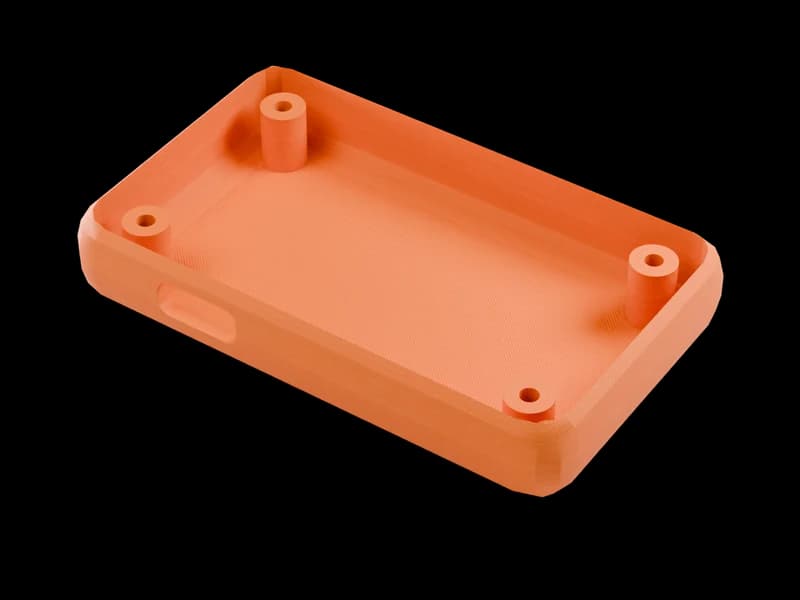
Choose FDM for a functional part, from one piece to a small batch, up to 340 mm, when ±0.5 mm and visible layers are acceptable: most brackets, housings, jigs, spare parts and working prototypes.
Choose resin when the detail is finer than a 0.20 mm layer or the surface must be smooth: figurines, miniatures, dental and jewellery masters, clear parts. Choose SLS or MJF when the part must be equally strong in every direction, has internal channels or ships as dozens of small nylon parts.
We print FDM only.
What each process is
- FDM, material extrusionA heated nozzle lays molten filament in 0.20 mm layers. The part is built from engineering plastics with real datasheets, PLA to carbon fibre nylon to PPS-CF, in one piece up to 340 x 320 x 340 mm. Layers are visible, overhangs need supports, and strength across the layers is lower than along them. This is what we run. ISO/ASTM 52900 calls it material extrusion.
- SLS and MJF, powder bed fusion (not run here)A laser or a fusing agent melts nylon powder layer by layer; the unmelted powder holds the part up, so there are no supports and parts can nest in the bed. Parts are far less direction-dependent than FDM and come out matte and slightly grainy. We do not run SLS or MJF, and we give no figures for them; ask a bureau that does for its datasheets.
- Resin, vat photopolymerisation (not run here)Light cures a liquid photopolymer layer by layer: SLA with a laser, DLP or LCD with a projected image. Layers are thin enough to vanish and small features come out sharp, so figurines, miniatures and clear parts belong here. Standard resins are more brittle than engineering filaments and many soften in sun or warmth. We do not run SLA, DLP or any resin printer, and we give no figures for them.
The names come from ISO/ASTM 52900, which groups every additive process into seven families; these are the three a buyer of plastic parts actually chooses between. CNC machining and injection moulding are not additive processes and we do not run them either, but they appear in the table below because some parts belong there.
Which process for which part
Rows only where the answer differs. Our column gives our own figures; for the other processes we give the reason, not a number, because the numbers belong to whoever runs the machine.
| Your part needs | Process to look for | Why, from our side |
|---|---|---|
| Heat above 100 °C, flame retardance, carbon fibre stiffness | Process to look forFDM | Why, from our sidePPS-CF 235 °C and PPA-CF 196 °C heat deflection at 1.8 MPa (ISO 75); PC FR flame retardant, UL 94 V-0 as Bambu Lab's test of the filament; PPA-CF 9,860 MPa bending modulus (ISO 178) |
| One part, fast, up to 340 mm | Process to look forFDM | Why, from our side2-5 working days after payment on the most popular materials; 340 x 320 x 340 mm in one piece; one part is a real order |
| A working prototype or a spare part that fits at ±0.5 mm | Process to look forFDM | Why, from our sidetolerance ±0.5%, minimum ±0.5 mm; a person checks the file before the price |
| Detail finer than 0.20 mm layers, a smooth face, a figurine | Process to look forResin (vat photopolymerisation), not run here | Why, from our sideour layers show at 0.20 mm and we do not sand or paint; five of our enquiry dead ends were resin jobs |
| Equal strength in every direction, internal channels, no supports | Process to look forSLS or MJF (powder bed fusion), not run here | Why, from our sideFDM strength across the layers is lower than along them: PETG HF 23 against 34 MPa, PPA-CF 57 against 168 MPa (ISO 527) |
| Dozens of small identical nylon parts | Process to look forSLS or MJF, not run here | Why, from our sidepowder beds nest parts; FDM prints them one plate at a time, which we do quote for small runs |
| A fit tighter than ±0.5 mm, metal, a moulded finish | Process to look forCNC machining, metal printing or injection moulding, none run here | Why, from our sidewe hold ±0.5%, minimum ±0.5 mm; FDM prints no metal and leaves layer lines; see 3D printing tolerances and Low-volume production |
Strength across the layers is the price FDM pays. PLA Basic keeps 31 of its 35 MPa across the layers; PETG HF 23 of 34; PPA-CF 57 of 168. A part loaded across its layers is weaker; we choose the print orientation, so say which way the load runs. For the full ranking, see Layer strength: X-Y vs Z.
What FDM does well here
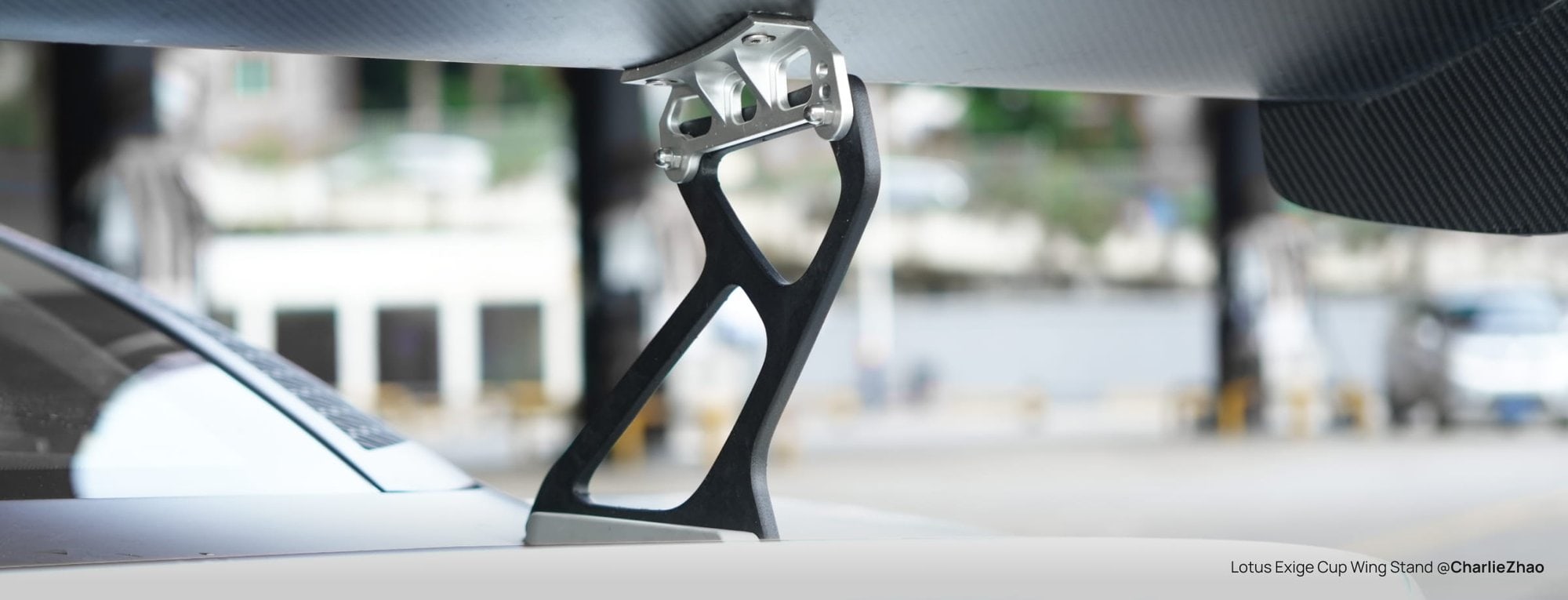
Materials with datasheets. 22 Bambu Lab engineering filaments in the catalogue, and the ones we print most are the ones a functional part wants: PLA Basic, PETG HF, TPU for AMS, PPA-CF, PPS-CF, PET-CF, PC FR and ASA Aero. PPS-CF deflects at 235 °C under 1.8 MPa; PPA-CF has a 9,860 MPa bending modulus along the layers; PC FR is flame retardant on its datasheet. Those are the filaments we print, not a claim that other processes lack them.
Size and speed from one piece. Up to 340 x 320 x 340 mm in one piece, 2-5 working days after payment for the most popular materials, a reply with a price in 3 hours on average on workdays, and no minimum quantity. White PETG runs around the clock with no setup to wait for or pay for.
Files as they are. STEP, STP, STL, 3MF or OBJ. A person checks every file before the price, and we choose the print orientation.
Where FDM is the wrong answer
In our enquiry archive, about 100 threads, the most common process dead end is detail and smoothness: 5 threads asked for smooth figurines, transparent resin or photopolymer mock-ups. Those parts want vat photopolymerisation, which we do not run.
Shape capture is the most common dead end of all: 7 threads wanted to bring or post a part for us to copy. We do not scan and do not accept a physical part by post; we model from photos with a ruler and your measurements. See 3D print a spare part without CAD.
Metal, twice: a structural tender, which went no further, and a brass part, which became PPA-CF. Oversize, three times: a 1,500 x 1,400 mm part was declined and an architecture model was split in three. A part larger than 340 mm can be printed in parts and joined, or it goes elsewhere.
What to send if you are not sure
Send the file and four facts: what the part carries, how warm it gets, what finish it needs, and how many you want. A person says which process the part wants. If it is FDM, the reply is a price with the material and orientation chosen for the job. If it is resin or a powder bed, the reply says so and names the kind of service to look for; we do not run them and do not arrange them.
Transparent parts are the usual resin case. We print translucent filament on request for light covers and diffusers; we do not promise a clear part. A fit tighter than ±0.5 mm is the usual machining case; say which dimension is critical and we tell you whether FDM holds it.
Questions
Checked by the druckworks workshopUpdated
Is SLS stronger than FDM?
Across the layers, usually: a powder bed part is far less direction-dependent, and we do not run SLS so we quote no figure for it. Along the layers an engineering filament can be the stronger one: PPA-CF pulls 168 MPa (ISO 527). Say which way the load runs and the answer is clear.
Are resin prints stronger than FDM?
Not for a working part, as a rule. Standard resins are more brittle than engineering filaments and many soften in warmth; we do not run resin, so we give no figure. Resin wins on detail and finish, FDM on toughness, heat and size.
Which process is most accurate?
For fine detail, resin, which we do not run. For a fit, say the dimension: we hold ±0.5%, minimum ±0.5 mm, and a tighter fit belongs to machining. Accuracy and detail are different questions.
Can you print my part in resin or SLS?
No. We print FDM only and run no SLS, MJF or resin printer. If your part wants one of them, we say so in the reply and you take it to a bureau that runs it.
Which is cheapest for one part?
Send the file and the quote prices FDM for your part. For the other processes ask a bureau that runs them; we quote no price for a process we do not run.
Can you print transparent parts?
Translucent, on request: filament for light covers, diffusers and parts that let light through. Not clear. A clear part is a resin job, which we do not run.
Can I send you the part to copy?
No. We do not scan and do not accept a physical part by post. Send photos with a ruler next to the part and the key measurements, and a person models it. See 3D print a spare part without CAD.
Do you post parts to Denmark?
Yes. We post to Latvia, Estonia, Lithuania, Finland, Sweden and Denmark. The quote names the carrier and the shipping price.

Not sure which process your part wants?
Send the file and say what the part carries, how warm it gets, what finish it needs and how many you want. A person replies in 3 hours on average on workdays: a price if it is FDM, and where to go if it is not.